


Protein Powder: The Ultimate Guide to Choosing the Best Protein Supplement
In the world of fitness and nutrition, protein powder is one of the most popular and widely used supplements. Whether you’re an athlete, bodybuilder, or someone looking to improve your overall health, protein powder can be a convenient way to meet your daily protein needs.
But with so many options on the market—whey, plant-based, casein, and more—it can be overwhelming to choose the right protein powder for your goals. In this guide, we’ll break down everything you need to know about protein powder, including its benefits, different types, and tips for making the best choice for your body and lifestyle.
What is Protein Powder?
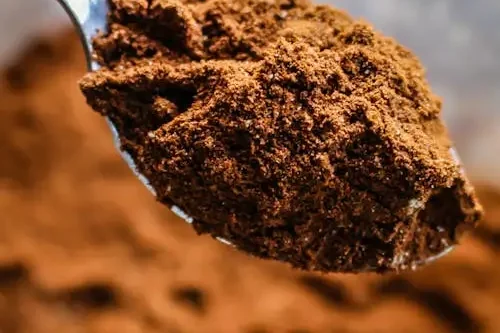
Protein powder is a dietary supplement that provides a concentrated source of protein, which is essential for building and repairing muscles, supporting immune function, and promoting overall health.
Protein powders are typically made by extracting protein from various sources, such as milk, plants, or eggs. They are then processed into a fine powder that can be mixed with water, milk, or other liquids to create a protein shake.
The Benefits of Protein Powder
Protein powder offers several health and fitness benefits, including:
- Muscle Growth and Recovery
Protein is the building block of muscle tissue. Consuming enough protein after a workout helps repair damaged muscle fibers and promotes muscle growth. This is why protein powder is a staple for athletes and bodybuilders. - Weight Management
Protein powder can aid in weight management by promoting feelings of fullness, reducing appetite, and supporting fat loss while preserving lean muscle mass. - Convenience
Preparing high-protein meals can be time-consuming, but protein powder offers a quick and easy way to boost your protein intake, especially for people with busy lifestyles. - Improved Recovery and Performance
Protein plays a key role in post-workout recovery by reducing muscle soreness and improving endurance. Some protein powders also contain added ingredients like BCAAs (branched-chain amino acids) to enhance athletic performance.
Types of Protein Powder
There are several types of protein powders available, each with its unique benefits and characteristics. Here’s a breakdown of the most popular options:
1. Whey Protein
Whey protein is one of the most popular and fast-absorbing protein powders on the market. It is derived from milk during the cheese-making process and is rich in essential amino acids.
Benefits of Whey Protein:
- Promotes muscle growth and recovery
- Supports immune function
- Easy to digest (for most people)
Types of Whey Protein:
- Whey Protein Concentrate: Contains around 70-80% protein and retains some fat and carbs.
- Whey Protein Isolate: Contains 90% or more protein and is lower in fat and lactose.
- Whey Protein Hydrolysate: Pre-digested for faster absorption and reduced allergenic potential.
2. Casein Protein
Like whey, casein is derived from milk, but it digests more slowly. This makes it an excellent option for people looking for sustained protein release, such as before bed.
Benefits of Casein Protein:
- Slow and steady amino acid release
- Supports muscle repair during sleep
- Helps reduce muscle breakdown
3. Plant-Based Protein
Plant-based protein powders are ideal for vegans, vegetarians, and those with dairy allergies. They are typically made from sources like peas, brown rice, hemp, or quinoa.
Benefits of Plant-Based Protein:
- Dairy-free and allergen-friendly
- Rich in fiber and antioxidants
- Supports heart and gut health
Popular Plant-Based Protein Powders:
- Pea Protein: High in BCAAs and easy to digest.
- Brown Rice Protein: Contains essential amino acids but may be lower in lysine.
- Hemp Protein: Rich in omega-3 fatty acids and fiber.
4. Egg Protein
Egg protein powder is made from egg whites and is a great option for those who want a dairy-free, complete protein source. It is low in fat and carbs and provides a high biological value (BV), which means your body can absorb and use it efficiently.
5. Collagen Protein
Collagen protein is gaining popularity for its skin, joint, and hair health benefits. Unlike other protein powders, collagen is not typically used for muscle building but rather for overall wellness.
How to Choose the Right Protein Powder
With so many options, how do you choose the best protein powder for your needs? Here are some factors to consider:
- Your Fitness Goals
- Muscle Gain: Whey protein, casein, or a blend of both is ideal for building muscle.
- Weight Loss: Opt for a low-calorie, high-protein powder like whey isolate or plant-based protein.
- Overall Wellness: Consider collagen or plant-based protein for added health benefits.
- Dietary Preferences and Restrictions
- Vegan or Vegetarian: Choose plant-based protein powders like pea, rice, or hemp protein.
- Lactose Intolerance: Go for whey isolate, plant-based protein, or egg protein.
- Gluten-Free: Check labels to ensure the product is gluten-free if you have sensitivities.
- Ingredient Quality
- Look for products with minimal additives, artificial sweeteners, and fillers.
- Check for certifications like USDA Organic, Non-GMO, or Informed-Sport (for athletes).
How to Use Protein Powder
Protein powder is incredibly versatile and can be used in various ways beyond just shakes. Here are some creative ways to incorporate it into your diet:
- Protein Shakes: Mix with water, milk, or plant-based milk for a quick post-workout shake.
- Smoothie Bowls: Blend with fruits, greens, and nut butter for a nutrient-packed breakfast.
- Protein Pancakes: Add protein powder to pancake batter for a high-protein twist.
- Baked Goods: Use protein powder in recipes for muffins, cookies, and brownies.
Common Myths About Protein Powder
Despite its popularity, protein powder is often misunderstood. Let’s debunk some common myths:
- Myth: Protein Powder is Only for Bodybuilders.
Fact: Protein powder is beneficial for anyone looking to meet their daily protein needs, including athletes, older adults, and those on weight loss journeys. - Myth: Too Much Protein is Harmful.
Fact: For healthy individuals, consuming protein within recommended limits (0.8 to 2.0 grams per kilogram of body weight) is safe and beneficial. - Myth: All Protein Powders are the Same.
Fact: Different protein powders have varying absorption rates, amino acid profiles, and nutritional benefits.
Final Thoughts: Is Protein Powder Right for You?
Protein powder can be a valuable addition to your diet, especially if you struggle to meet your protein needs through whole foods alone. Whether your goal is to build muscle, lose weight, or improve overall health, there’s a protein powder out there to support your journey.
Remember to choose a high-quality product that aligns with your dietary preferences and fitness goals, and always listen to your body. With the right protein powder and a balanced lifestyle, you can unlock your full potential and achieve your health and fitness dreams.
Let me know how this reads and if you’d like any tweaks, additional keywords, or sections!


